What is Condition-based Maintenance (CBM)?
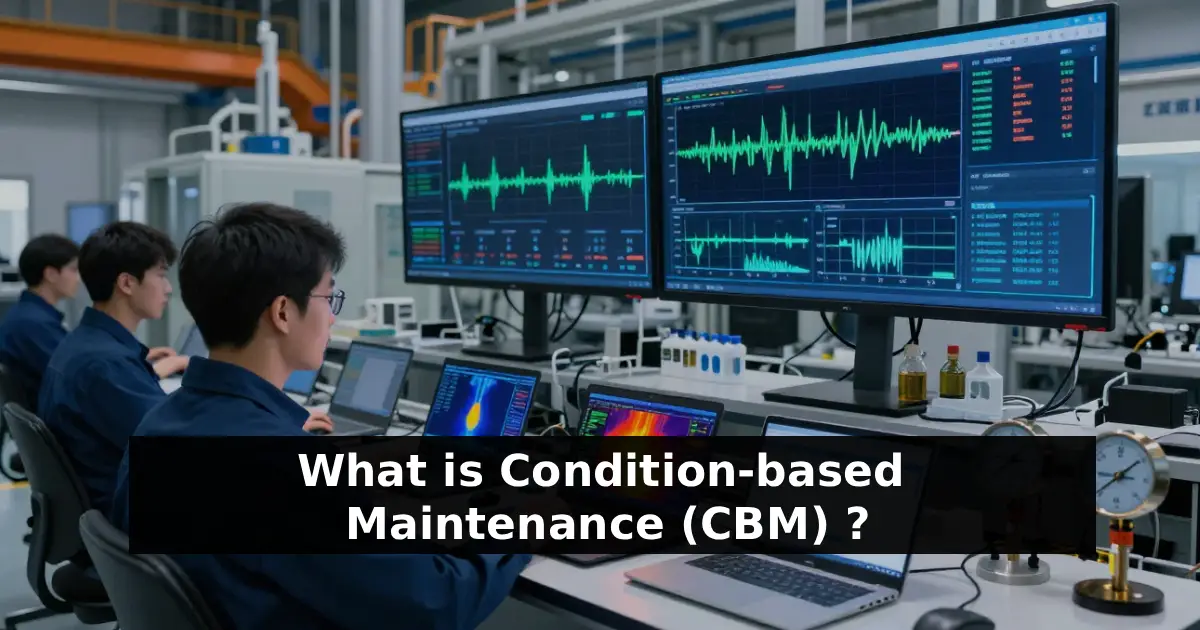
Condition-based Maintenance is classified as a proactive maintenance strategy that triggers equipment maintenance upon meeting a specific condition rather than on a fixed schedule or after equipment breakdown. A specialized CMMS software is used for data collection & visualization, triggering automated work orders, and streamlining maintenance workflows.
Condition-based Maintenance is a crucial activity and an integral part of comprehensive asset management. It helps businesses reduce the likelihood of equipment failure, improve equipment reliability, enhance productivity, and increase overall equipment life. It encompasses various procedures such as testing the current equipment condition.
Types of Condition-based Maintenance (CBM)
1. Temperature Monitoring
Thermal imaging is used to recognize changes in the machine’s baseline temperature. Sudden or extreme variations in the machine temperature can reveal potential issues that may warrant inspection of machine components, gas, liquid levels, and motors.
2. Vibration Monitoring
Ongoing analysis of machine vibration frequencies using dedicated sensors. If a machine is intensely or loudly vibrating, it may indicate a problem with its functioning. Common reasons for abnormal machine vibration include imbalance, wear & tear, loose components, and misalignment, among others.
3. Oil Level Monitoring
Samples of lubricating oil are collected from the machine and sent to the nearby laboratory. The lab report determines the viscosity and acidity levels of the oil to make informed guesses about the machine and component condition.
4. Electrical Monitoring
Monitor the electrical power quality and power supply to your machine components. Analyze past trends and patterns to anticipate sudden voltage spikes & drops, resistance, capacitance, and other vital information.
5. Pressure Monitoring
Analyzes the air, gas, and liquid pressures in real-time to anticipate sudden spikes or drops. Prevent damage to your machine’s air compressor system by ensuring balanced pressure levels.
Benefits of Condition-based Maintenance (CBM)
1. Reduced Downtimes
While there’s no foolproof way to completely prevent downtimes, conditional maintenance using a dedicated Maintenance tracking software helps reduce them significantly. It can lower your costs on emergency repair of equipment, improve asset lifetime, and ensure continuity in the production operations.
2. Ensures Equipment & Worker Safety
Poorly maintained factory equipment can turn hazardous and pose safety and security risks to humans and the environment. Condition-based maintenance lowers such risks by ensuring your equipment operates at optimal condition and helps prevent accidents, thereby ensuring compliance with labor and safety laws.
3. Cost Efficiency
Cost efficiency is another prominent benefit of condition-based maintenance. Improved machine condition and reliability directly translate into reduced repair costs and long-term sustainability for your business.
4. Optimize Asset Maintenance
CBM standardizes and optimizes the process of maintaining your assets. It reduces the need for a vast number of resources, minimizing the overall cost, complexity, and maintenance time.
5. Deeper Insights into Assets
Get deeper insights into the health and performance of your organization’s assets with asset tracking software. Compare the asset performance against standard benchmarks for early detection of anomalies and take corrective measures. Ensure maximum system reliability and performance at all times.
Why Condition-based Maintenance (CBM) is the Core of Modern Maintenance?
These days, condition-based maintenance is becoming extremely popular, thanks to the immense benefits it offers. Instead of scheduling maintenance at a fixed interval, it evaluates machine conditions (such as performance, heat, friction, temperature, etc.) to assess machine health and schedule maintenance activities. This saves you from the hassle of heavy repairs or replacements at a later stage.
CBM gathers real-time data using IoT-based devices and transforms the traditional maintenance process with a systematic approach, minimizing your costs & time, enhancing reliability, and improving overall effectiveness. The company uses various trigger events and monitoring parameters to detect equipment issues before they lead to unexpected breakdowns and production downtime, which are detrimental to your company’s overall functioning.

Condition-based Maintenance FAQs
1. What is meant by condition-based maintenance?
Condition-based Maintenance (CBM) is a maintenance strategy that triggers maintenance tasks based on the asset’s actual condition, rather than on a fixed schedule. Cloud CMMS helps businesses keep critical assets running at peak and ensure a smarter, more efficient production process without disruptions or delays.
2. How is CBM different from Predictive Maintenance?
While both Condition-based Maintenance (CBM) and Predictive Maintenance focus on improving asset lifespan and preventing sudden equipment failure, they differ in key aspects. For example, the CBM is a reactive process that triggers on an as-needed basis. In contrast, Predictive Maintenance is conducted with Predictive Maintenance Software. It determines the best time for performing maintenance activity even before the equipment breaks down.
3. What are the phases of Condition-based Maintenance?
Here are the seven phases of CBM:
- Define Scope: Define the scope and objective of the maintenance program
- Classify Assets: Classify your assets into three categories: critical, essential, and non-essential
- Define Conditions for Maintenance: Define conditions for maintenance (for example, temperature, vibration, pressure monitoring, etc.)
- Define Normal Operating Conditions: Define the normal operating conditions and performance levels (Refer to the OEM’s user manual)
- Trigger Alerts: Establish automated trigger alerts and work orders
- Define Roles & Responsibilities: Outline the roles and responsibilities of the employees responsible for the maintenance activity
- Proactive Feedback: Actively track the performance and effectiveness of the CBM and implement corrective measures.
4. What are the best practices for adapting CBM?
Here are the best practices to ensure the effective execution of the Condition-based Maintenance program:
- Prioritize maintenance of critical equipment first with a Preventive Maintenance Software
- Make the best use of data analysis on vast amounts of data
- Organize maintenance schedules based on the actual equipment condition
- Build an ongoing framework of constructive feedback to understand what went wrong and take corrective measures