ERP Software for Filters Manufacturing
Ensure full compliance for your filter processing business with Sage ERP


Filter manufacturing ERP software is an all-in-one business management system to standardize complex filter manufacturing processes, including production planning, supply chain, finance, and sales. Designed for high-volume, make-to-order filter manufacturing, the ERP software provides extensive production control including management of Bill of Materials (BOM) and production scheduling. It provides detailed visibility into work order consumption bookings to ensure accurate billing and costing.
Sage X3 is built to meet varying customer order specifications and quality compliance in line with ISO and BIS standards. Batch-level traceability provides instant access to production history, while automated replenishment and dispatch controls ensure material availability and prevent the release of untested filters. Inventory accuracy is maintained through unit of measure conversions that enable tracking of filter media procured in kilograms and sold as finished goods in pieces or sets. Subcontractor management keeps a record of offsite inventory, with accurate reconciliation of scrap and returns.
India’s share in the global filters market stood at 3.6% in 2021. According to Grand View Research, the market is projected to reach $6,376.8 million by 2033, growing at a 7.8% CAGR from 2026. Broadly segmented into fluid, ice, and air filters, the market is dominated by ice filters, while air filters represent the fastest-growing category.
This expansion is driven by both government-led initiatives like the National Clean Air Programme and rising demand for high-precision filtration solutions across sectors. While auto manufacturers require DPFs to meet BS-VI emission standards, the power and water treatment industries must meet zero liquid discharge norms using advanced membranes. Likewise, increased health awareness has pushed up demand for HEPA and RO technologies.
Filter manufacturing is a complicated process due to the nature of the end product. The end product must be made to exact specifications and should fulfill stringent environmental standards and regulations. Also, the production process should be keenly observed to get the expected outputs.
Cost of production is one of the biggest challenges of filter manufacturing. The components, materials, and tools can be costly, and the process must be repeated over and over again to achieve the necessary specifications. This requires a great amount of time as well as resources which makes it tough and expensive.
Safety is a major concern in filter manufacturing. During the machining process, the dust generated can be hazardous. Hence, proper protective equipment and strategies should be used. Also, workers must be properly trained to manage and operate the hazardous materials, and great care must be taken when cleaning and maintaining the machine.
The manufacturing process of filters start with the selection of materials and components. Depending on the application and environment the filter will be used in, the material must be selected as per the requirement.
However, these elements should then be machined to exact specifications, and then assembled using particular techniques and software. Then finally, testing should be performed in order to ensure the filter meets all essential standards.
Sage X3 ERP offers integrated production planning and scheduling capabilities with which manufacturers can efficiently manage production operations.

The quality management feature of filter manufacturing ERP software offers an integrated quality management system that helps manufacturers track the quality of their products. This way all flaws in the products can be detected and can be resolved instantly saving them from recalls.
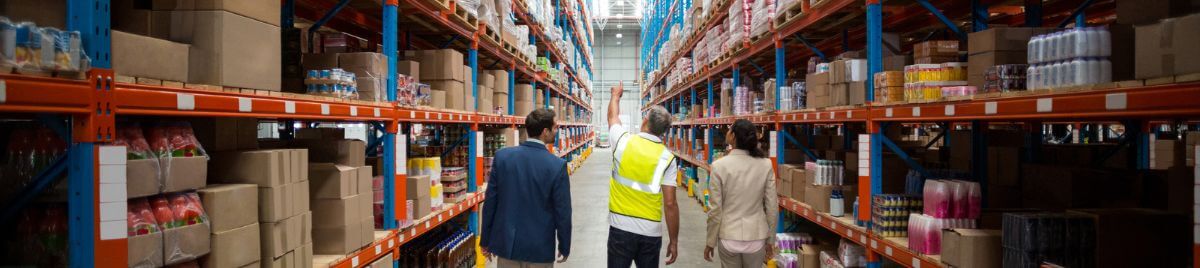
With the Sage 300 warehouse management system, manufacturers can easily control and monitor their inventory. This feature of manufacturing ERP software also offers advanced tools for warehouse and distribution management.

Empower your team and elevate your results with ERP Software
Sage X3 business management software for manufacturing helps manufacturers improve their production processes. It can precisely track and monitor process performance while also offering detailed insight into production time and cost.
Also, the information can aid in identifying specific sections to be improved and allow manufacturing companies to make better decisions and streamline their manufacturing operations.
Sage 300 ERP can help small business owners of filter manufacturing to improve customer satisfaction and can also be used to trace order status so that consumers understand when exactly their filter will arrive.
In addition, filter manufacturing ERP can provide detailed quality assurance information, reducing the risk of customer dissatisfaction.
One major benefit of ERP for filter manufacturing is improved inventory management. ERP can track and monitor inventory levels, allowing companies to better plan for upcoming orders or to identify any production issues.
In addition, ERP allows companies to view supplier information, making it easy to make sure they have the parts they need on hand to fulfill their orders.
Sage 300 ERP can help to streamline and optimize workflow, improve customer satisfaction, reduce costs, and increase profitability. Filter manufacturing ERP allows companies to manage and analyze a wide range of data, from inventory to production and quality control.
With the increased visibility and control it gives, the software can allow filter manufacturers enhance their operations and level up their bottom line.
An ERP for filter manufacturing allows manufacturers to manage complex production workflows like material selection, machining, assembly, and testing, while ensuring compliance with environmental and safety regulations. They provide end-to-end batch traceability and facilitate production planning based on order specifications.
Filter manufacturers should choose ERP software that adapts to their specific industrial production and financial compliance requirements. Key features include:
ERP software improves efficiency through better planning, automated workflows, and providing real-time visibility into production, inventory, and order status. Significant cost savings come from better allocation of resources and reduced material wastage.
Future-Proof Your Operations
Connect with Our ERP Experts Today.
"*" indicates required fields
Fill in the details below and we will be glad to help you.