What is Building Maintenance?
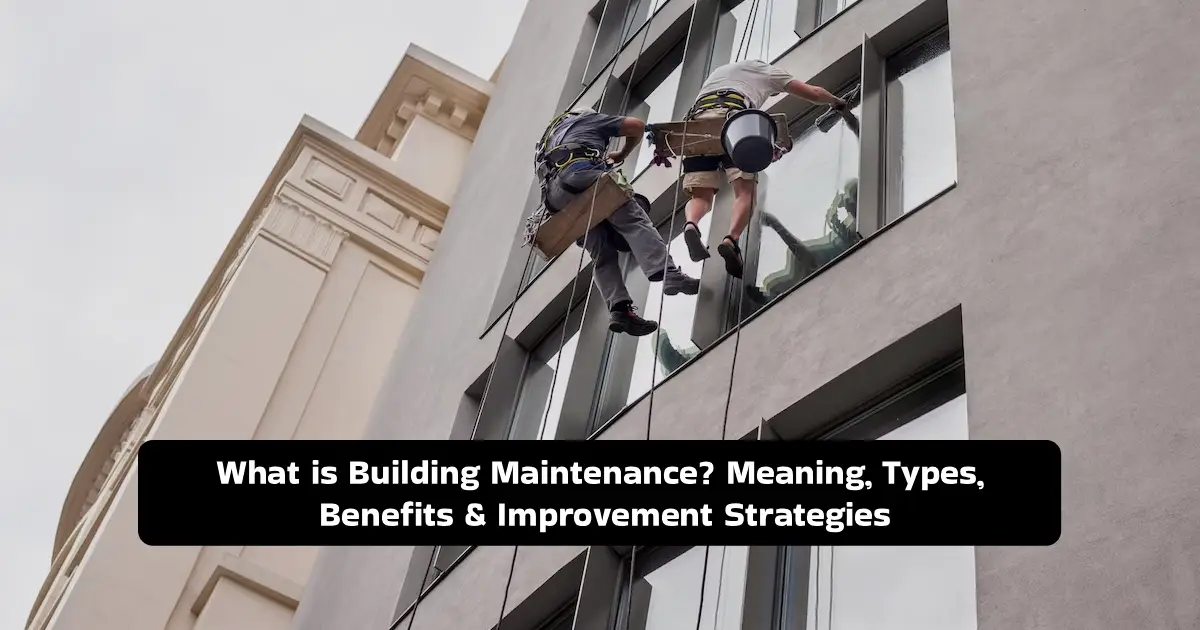
Building maintenance is a systematic approach that maintenance managers adopt to keep a building and its assets in top working condition. In doing so, they must also comply with local safety regulations and focus on maximising the asset value. At the same time, they must minimise maintenance and repair costs by adequately using resources, such as labour, spare parts, and subcontractor services.
Common facilities and amenities in a building must be maintained to ensure the safety and convenience of occupants and users. These also impact real estate value and building desirability. Depending on the building type, maintenance can include proper lighting, ventilation, air conditioning, well-maintained lifts, power backups, and water pumps. Ensuring the cleanliness and care of indoor and outdoor areas is also part of building maintenance.
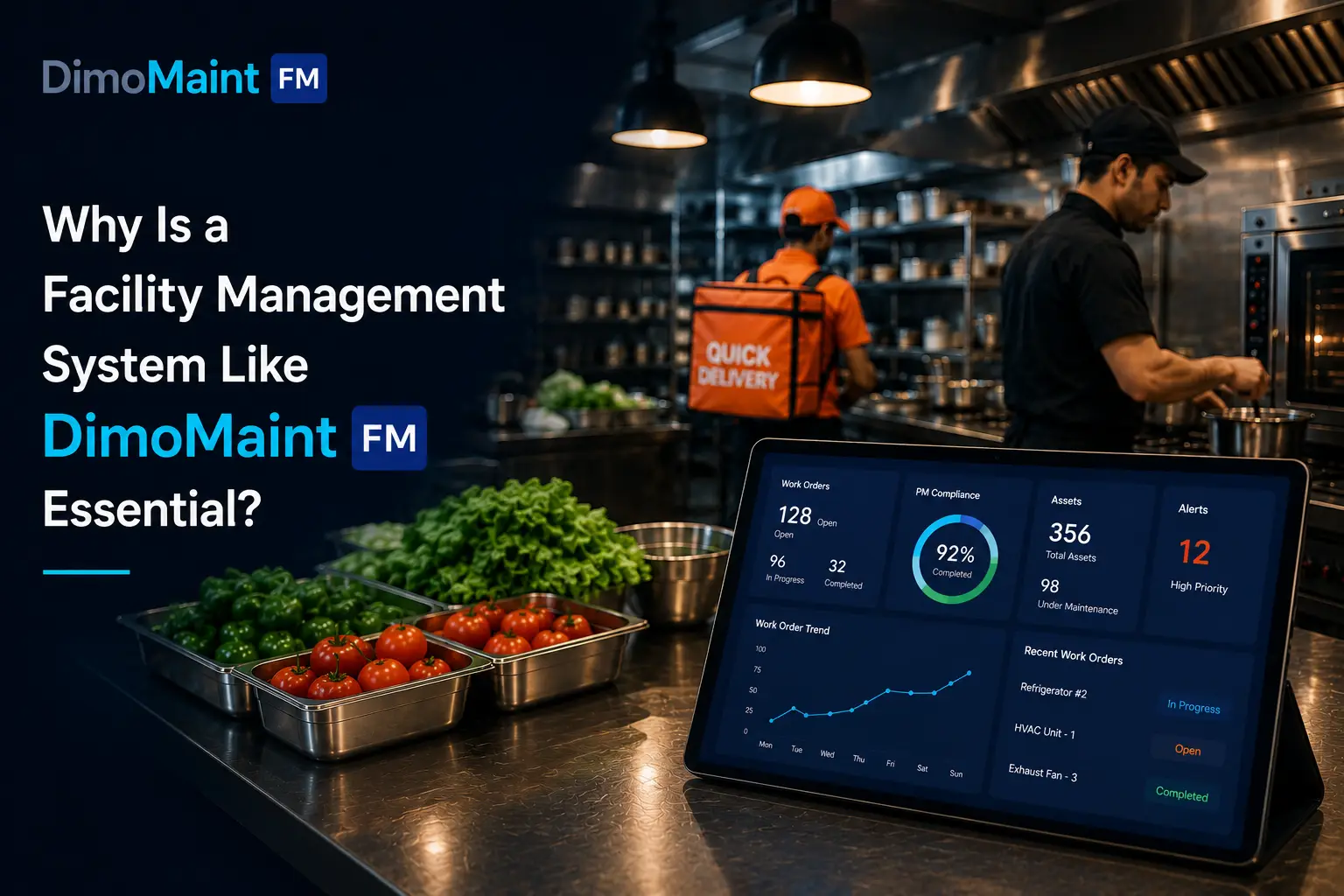
Given the scale and complexity of maintaining large facilities with multiple assets, managing building maintenance manually can be difficult and time-consuming. That’s why it is becoming increasingly essential to use CMMS software for planned, structured building maintenance. From managing emergency repairs to the timely execution of preventive maintenance schedules, a well-designed, flexible CMMS adapts to a wide range of maintenance requirements. This significantly reduces costs, complexity, and workload for maintenance teams and stakeholders.
Types of Building Maintenance
Understanding the different types of building maintenance helps clarify the specific maintenance approach each requires. The primary categories are routine, corrective, preventive, condition-based, and predictive maintenance.
1. Routine Maintenance
Performed regularly, routine maintenance focuses on general upkeep, such as cleaning common areas and toilets, replacing fused bulbs, checking the water level in the tank, and managing waste. Beyond that, it also includes regular visual inspections of the facility to address anything unusual, such as honeycombs and rodents, or small repairs.
2. Corrective Maintenance
Corrective maintenance is carried out when an equipment breaks down, causing major inconvenience to the facility users. In such cases, immediate repair is the only option. Some examples where corrective maintenance is needed are:
- Burnt water pump motor
- Burst in the main water supply line
- Elevator and diesel generator stop working
- Large pothole at the entry gate
3. Preventive maintenance
This is a proactive approach to facility maintenance to prevent unexpected downtime. Here, assets are scheduled for maintenance at regular intervals. For instance, maintaining HVAC systems, lubricating water pumps, and periodically monitoring wall cracks, water seepage, and structural issues. Testing fire alarms and fire extinguishers is also done during preventive maintenance.
4. Condition-based Maintenance (CBM)
Under this type, you set a performance threshold for the equipment and measure its performance against that. If the equipment breaches that threshold, maintenance is performed. Depending on the equipment, condition-based maintenance could use vibration analysis, thermal sensors, and high-frequency sounds to measure the equipment’s condition.
5. Predictive Maintenance (PdM)
While CBM relies solely on current condition, predictive maintenance also includes historical data, machine learning models, and AI to predict equipment failure. To perform this, sensors attached to the equipment collect real-time data and feed into your CMMS software for analysis. In critical industries such as manufacturing and healthcare, where every minute of asset downtime impacts profitability, predictive maintenance plays a vital role.
Benefits of Building Maintenance
Common benefits of building maintenance are lower costs, higher property value, occupant safety, user satisfaction, and longer asset lifespan.
- Reduced Maintenance Costs: Waiting for the asset to fail can be expensive to repair or replace. Regular maintenance keeps assets in perfect condition at lower costs.
- Property Value Appreciation: Tenants and buyers prefer well-maintained buildings, which naturally leads to higher market value and better investment returns.
- Occupant & User Safety: Assets in compliant and optimal working condition, whether it is the staircase railings, building’s structural strength, or electric wiring, prevent accidents and risk of injury.
- User Satisfaction: Quality building maintenance creates a comfortable experience for users, such as employees, leading to a higher retention rate for companies.
- Building & Asset Longevity: With proper maintenance, such as timely repairs and renovations, painting, and waterproofing, buildings and their assets tend to last longer.

Examples of Building Maintenance
- HVAC Systems: An HVAC system consists of a variety of components, like heating, cooling, and air-handling units, dehumidifiers, filters, and ventilation fans, which require regular maintenance.
- Other Equipment: Examples of equipment maintenance are machinery, lifts, escalators, CCTVs, automatic doors, pumps, and generators.
- Plumbing and Electrical: Plumbing work includes preventing water leakage and clogging of drainage systems. Similarly, electrical work involves replacing worn-out wires, fixing short-circuits, and ensuring proper earthing.
- Structural Repairs: Conducting regular structural audits and carrying out renovation work without damaging the pillars, plinth, or foundation to ensure building stability.
- Interiors & Outdoors: Cleaning, repainting, maintaining artwork, and repairing broken items are part of indoor maintenance. Likewise, outdoor building maintenance includes landscaping, parking lot maintenance, gutter cleaning, and surface care of open areas.
- Safety Compliance: To ensure compliance and safety, the facility maintenance supervisor must ensure that fire alarms, smoke detectors, fire extinguishers, and emergency exit areas are functioning well.
What Kind of Buildings Require Maintenance?
There is no building that does not require maintenance, though the scale and criticality of maintenance can vary by industry and asset type. Types of buildings needing ongoing maintenance are as follows:
- Manufacturing & Industrial – Factory, large plants, warehouses
- Commercial Building – IT parks, corporate complexes, government buildings
- Retail & Hospitality – Hotels, restaurants, shopping malls, multiplexes
- Residential Buildings – Apartments, independent houses
- Educational Institutes – Schools, colleges, universities
- Healthcare – Hospitals, diagnostic centres, rehabilitation centres
How to Improve Building Maintenance Management?
There are various ways through which you can strengthen your building maintenance strategy, such as simplifying the generation of work requests, implementing preventive maintenance, standardising processes, monitoring KPIs, and deploying CMMS software.
1. Simplify Issue Reporting
A fault or a malfunction in the building can be noticed by anyone in the maintenance team. To ensure faster resolution of maintenance issues, empower every member in the team to easily report a breakdown and generate work requests.
2. Preventive Maintenance
Form a preventive maintenance schedule, including monthly, quarterly, and annual plans, for every asset that requires periodic maintenance. This prevents unplanned downtime, improves asset performance and lifespan, and reduces costs.
3. Process Standardisation
Set clear protocols for responding to emergency breakdowns and performing regular maintenance. Maintain asset-specific checklists with essential steps to follow during maintenance.
4. Set Priority
Given time and labour constraints, you must prioritise urgent tasks. If multiple issues occur simultaneously, such as a water leak in the main server room, air conditioning failure in the main lobby, and a flickering light in the meeting room, you should know what requires the fastest resolution.
5. Monitoring KPI Metrics
It is crucial to track metrics such as MTTR and MTBF across different assets to know how your maintenance strategy is working. Detailed reports offer insights into which assets are demanding more than necessary maintenance and draining a larger portion of your maintenance budget.
6. Stock Management
A proper stock management strategy ensures the availability of essential items in the building’s storage room. For instance, facility managers must ensure that they have a sufficient stock of filters, bearings, and belts for their HVAC systems to avoid costly emergency purchases.
7. CMMS Software
CMMS simplifies building maintenance by automating, scheduling, and tracking all maintenance activities. Built to manage all types of maintenance, it allows you to raise work requests, allocate resources, and manage work orders.
8. System Integration
Lately, it has become common for large commercial buildings to use building management systems (BMS) to manage their mechanical and electrical equipment. Integrating these systems with CMMS enables real-time, data-driven decisions by automatically triggering work orders based on actual equipment conditions.
Conclusion
Building maintenance is the proactive, ongoing care and repair of your building assets and infrastructure efficiently and cost-effectively. It ensures that the building remains fully operational and safe for everyone to use, while the assets perform at their fullest potential.
Dimo Maint MX is a cloud-based CMMS software, accessible on mobile app and web browser, that enables you to implement both preventive and corrective maintenance for your buildings. Its flexible asset tree structure allows you to organise and maintain any number of locations, buildings, and assets within one centralised system.
Building Maintenance FAQs
1. What are the main challenges in building maintenance?
Building maintenance becomes complicated when there are no standardised processes to deal with repairs or implement preventive maintenance. Consequently, there is no control over human resources or spare parts, and maintenance costs start rising.
2. How frequently should building maintenance be performed?
Maintenance frequency varies for different assets. You need to have a comprehensive asset maintenance plan to conduct routine, corrective, and preventive maintenance.
3. Who performs building maintenance?
It takes a team to maintain a building, including a facilities manager, a maintenance supervisor, plumbers, electricians, housekeeping staff, and third-party contractors, etc.