
What is Shanti Bill?
The SHANTI Bill, 2025, brings major reforms in India’s civil nuclear operations and builds a robust framework for public safety & trust. The Sustainable Harnessing and Advancement of Nuclear Energy for Transforming India (SHANTI) Bill introduces a single, consolidated legislative structure to govern the country’s civil nuclear energy sector while encouraging private sector investment. It aims to restructure nuclear governance by replacing the outdated Atomic Energy Act of 1962 and the Civil Liability for Nuclear Damage Act of 2010. It also introduces revised liabilities and increases state control over nuclear power plants to meet the clean energy targets.
Key Provisions of the SHANTI Bill, 2025
SHANTI Bill is a step towards the Government of India’s strategic target of achieving 100 GW of nuclear energy capacity by 2047. Let us deep dive into the key provisions of the SHANTI Bill:
1. Private Sector Collaboration
The Indian nuclear industry has traditionally been reserved for only government entities. This Bill aims to pave the way for the entry of private companies and joint ventures, while limitating tg uranium enrichment, spent fuel handling, heavy water manufacturing, and other sensitive operations under the control of the Central Government.
2. Enhance Regulatory Oversight
The Atomic Energy Regulatory Board (AERB) will strengthen the Atomic Energy Regulatory Board (AERB) by providing it with the authority for inspection across facilities, investigating incidents, and issuing binding directions. This is important for stricter compliance.
3. Conditional Foreign Investment
Although there is no explicit permission given for Foreign Direct Investment (FDI) in India’s nuclear sector, the Bill allows foreign participation through Section 3(e). Foreign entities can participate with express permission from the Central Government under this section.
4. Removal of Supplier Liability Clause
The Bill removes Section 17 of the Civil Liability for Nuclear Damages Act, which holds suppliers responsible for compensation in the event of the supply of defective equipment, negligence, or sub-standard services.
5. Nuclear Liability Fund
Private operators will have to maintain insurance or financial security. While Central government-owned installations will be exempt from it, the Central Government will establish a Nuclear Liability Fund for compensation in the event of a nuclear incident.
Game-changing Benefits of Deploying Sage X3 in the Nuclear Energy Industry
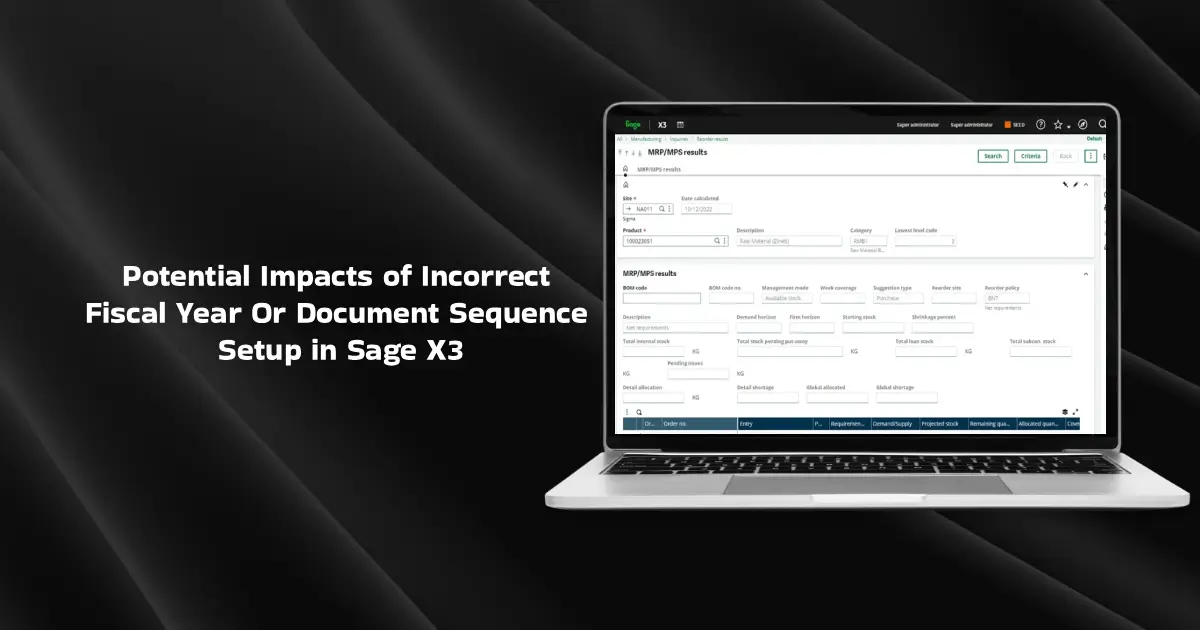
Sage X3 is the best ERP software in India that provides enterprise-level capabilities to leverage advanced data analytics, build a digital infrastructure, and achieve strategic goals. It is a top-notch solution that offers various game-changing advantages to the nuclear industry and lets you harness the emerging technologies for better cost control and revenue generation.
Here’s how Sage ERP empowers the nuclear energy industry:
1. Comprehensive Data Management
Integrate data across different nuclear plants to prevent data silos and obsolescence. Gain valuable insights at your fingertips for strategic decision-making and achieving sustained long-term growth.
2. Seamless Collaboration
Sage X3 offers seamless collaboration across different stakeholders such as scientists, engineers, technicians, and admin staff, allowing you to become more innovative. It replaces traditional disconnected systems, allowing you to standardize procedures and meet your timely goals & compliance targets.
3. Enhance Operational Efficiency
Automate routine tasks across your nuclear facilities from procurement of raw materials and scheduling repair & maintenance to financial compliance. Minimize human errors to prevent unexpected downtimes and improve reliability.
4. Waste Disposal
Disposal of radioactive waste material holds extreme importance in the nuclear industry. Sage X3 provides a unified platform to track, manage, and dispose of radioactive waste material to isolate hazardous materials, ensure public safety & environmental protection, and regulatory compliance.
5. Regulatory Compliance
Keeping up with the ever-changing and complex regulatory landscape has never been easier. ERP software ensures end-to-end documentation throughout every process, allowing you to adhere to the modern safety procedures and waste management protocols.

Frequently Asked Questions (FAQs)
1. What is the SHANTI bill?
The SHANTI Bill aims to modernize India’s nuclear legal framework, encourage private participation, and strengthen regulatory bodies to achieve India’s ambitious target of a 100 GW nuclear energy capacity by 2047.
2. What is the full form of the SHANTI Bill?
The full form of the SHANTI Bill is the Sustainable Harnessing and Advancement of Nuclear Energy for Transforming India Bill.
3. Why does Indian nuclear governance require strategic reforms?
India needs sustained reforms in the nuclear energy sector primarily for the following reasons:
- Meet India’s strategic target of 100GW of clean energy by 2047
- Encourage private participation to meet massive funding needs
- Meet international conventions and build strategic partnerships with global partners
- Reduce liability traps & regulatory hurdles to fix liability in the event of nuclear accidents
- Focus on a forward-looking approach while ensuring safety and accountability in the nuclear operations