India’s ERP market is witnessing a rapid rollout of new trends and business-friendly features. Modern ERP software has become more connected, flexible, and cost-effective, allowing businesses to keep up with their ever-increasing demands and stay resilient through any disruption. The new trends are often driven by shifting business priorities, changing customer requirements, regulatory demands, and evolving technological architecture. Let’s deep dive into the key trends to future-proof your business and stay ahead of the game.
Navigating the New ERP Trends in 2026
1. Cloud ERP has become the Norm & Primary Choice for Businesses
In 2026, the Cloud ERP has become a norm. Traditionally, businesses were required to invest heavily in on-premise ERPs. Deploying, maintaining, and upgrading an ERP system would require a dedicated team, contributing to the business overhead. Thanks to the introduction of Cloud ERP, this is no longer a concern. Cloud ERP is hosted on the vendor’s servers, making the vendor responsible for its setup, maintenance, and upgradation. Furthermore, your data is protected with industry-grade encryption standards, therefore reducing the data security compliance burden on small and mid-sized businesses.
2. Organization-wide AI-powered Automation
In 2026, ERP software has automated almost every aspect of business processes, from procurement, inventory management, report generation, and the supply chain, to financial management. Thanks to the advancement of new Artificial Intelligence (AI) and Machine Learning (ML) models, businesses are adopting AI-powered ERP software for accurately predicting demand for their products, mitigating inventory & supply chain challenges, identifying new patterns in the given dataset, and making data-driven decisions. This allows businesses to become resilient to market risks and gain an advantage over their rivals.
3. Integration with IoT, Smart Devices, CRM, and E-commerce Tools
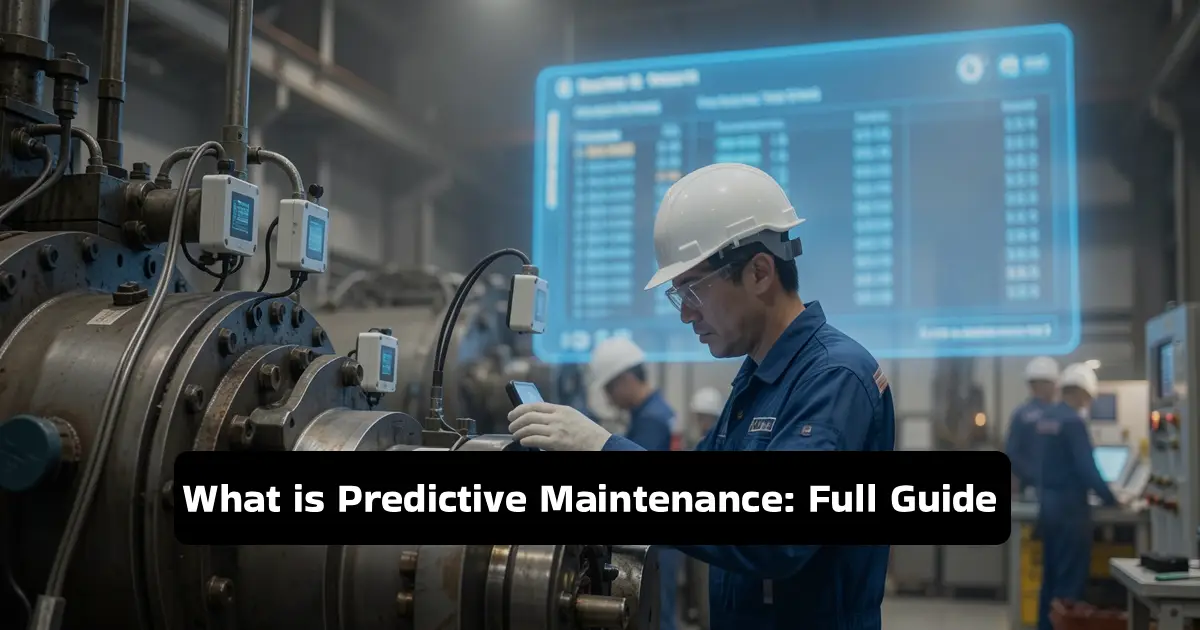
Modern-day ERP systems are built to integrate with Internet of Things (IoT)-based devices for seamless data transmission. The data captured from the IoT sensors enables businesses to monitor machine temperature, track energy usage, detect anomalies, automate maintenance alerts, and ensure continuity in the production process. Another trend to watch this year is deep integration with CRM and e-commerce tools. Such an integration enables accurate inventory counts, faster order fulfilment, and gives businesses the kind of agility required to meet changing market and customer requirements.
4. Adoption of Industry-specific ERP Solutions & Specialized Customization Services
There is no one-size-fits-all solution that works for every business and industry. In 2026, there is a growing trend of adoption of industry-specific ERP solutions, such as manufacturing ERP, automotive ERP, ERP for furniture manufacturing, and ERP for IT services, among others. These ERP solutions provide various industry-specific modules, capabilities, and niche expertise. Furthermore, businesses are increasingly using ERP customization services to meet their unique business requirements, fine-tune business processes, and make the ERP welcoming for their employees. Even though this may seem like a tedious task, it is a worthwhile investment in the long-term that pays off with a higher return on the investment.
5. Mobile ERP is No Longer an Optional “Nice-to-have” Feature
Mobile ERP is no longer a “nice-to-have” feature for businesses. As modern businesses have embraced a mobile-first approach in their operations, mobile ERP has now become a standard expectation for any ERP vendor. Today’s businesses operate across multiple locations. As such, the decision-makers need to react quickly to evolving business conditions and get access to crucial data in real-time for smart decision-making. Lack of access to real-time and up-to-date data can make businesses less responsive and degrade the overall customer experience. Mobile-native ERP solutions such as Sage X3 provide accurate sales forecasting, data visualization, and actionable insights within a single unified interface and eliminate physical barriers.
6. Core Focus on Automated Financial Compliance and Data Security
ERPs are not just built to improve your business performance. Modern-day businesses are benefiting from their multitude of benefits, such as regulatory compliance. An ERP operates at the transaction level, reducing the occurrence of incorrect financial entries and human errors. It makes your financials audit-ready, reducing the potential risk of non-compliance, fines, penalties, and civil proceedings. As today’s businesses operate in a highly complex landscape with ever-changing compliance requirements, the ERP takes care of the e-invoicing, financial reports generation, and compliance requirements so that the business strategists can focus on generating more revenue rather than regulatory complexities.

Key Takeaways
Increasing competition, changing market dynamics, and the need for digital transformation are reshaping the ERP industry. Staying up-to-date about the latest ERP trends and industry happenings is important to evolve with modern tech, stay competitive, and future-proof your operations. With a clear understanding of the new trends and happenings in the ERP market, your company will be able to take a clear advantage in the highly competitive market, improve employee morale, and make the most out of your investment.