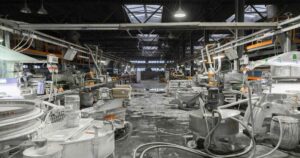
What is ERP for Cement Industry?
ERP for cement industry provides process control and production automation capabilities to ensure your production runs seamlessly, without shortages or downtime. It extracts data from disparate data sources, delivering financial insights for analyzing cost patterns, identifying resource misallocation, eliminating areas of wastage, and enhancing profitability.
Cement production companies across India are shifting from legacy applications to specialized ERP software to maintain complete compliance records, coordinate with suppliers, control costs, and ensure timely delivery. It comes with specialized modules and integration support with your legacy applications to improve overall visibility and facilitate timely decision-making.
Further in this blog, well explore about ERP and how it benefits the cement industry.
Overview of the Cement Industry in India
India is known as the second-largest cement producer in the world. The Indian cement industry had reached 668 million tonnes (MT) installed capacity in March, 2025. In FY-25, India’s cement production rose to 453 million tonnes, witnessing a YoY growth of 6.3%. The cement industry is expected to reach Rs. 950 MT in FY-26, according to the report published by India Brand Equity Foundation, an initiative of the Ministry of Commerce & Industry, Govt of India.
Major Challenges Faced by the Cement Industry
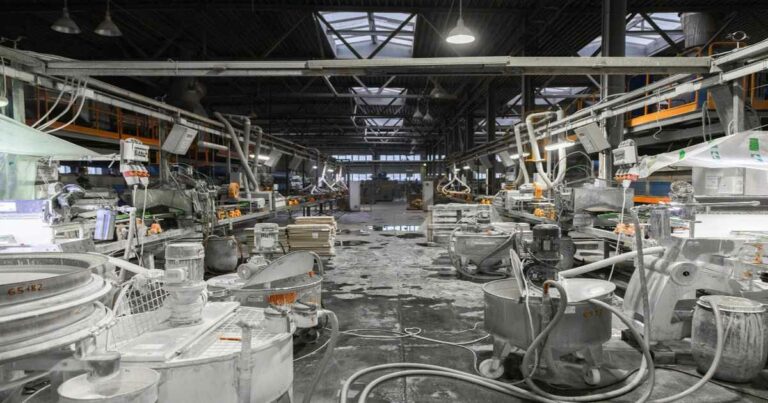
Continuous improvements in plant efficiency, strict government regulations & environmental protection measures require greater transparency of data and information throughout the entire production chain. Since cement manufacturing process and cement milling are highly energy-intensive industry, the rising input energy costs are forcing cement manufacturers to adopt more and more cost-saving measures.
Below mentioned are the challenges faced by cement companies:
1. CO2 Emissions:
The cement production industry is closely related to CO2 emissions and hence it is one of the challenges to achieving a carbon-neutral model. The model would revolve around the usage of hydrogen, biomass fuels, and electrification. In line with this, manufacturing companies have also been looking for sustainable alternatives for inland transport.
2. Automation of Cement Production:
The cement manufacturing companies have raised a demand for increase in automation with digital solutions. Also, the increase in digitalized operations is a challenge that involves big data analysis, sensors usage, virtual facilities, dealing with equipment, and much more.
3. Real-time Data and Interconnectivity:
Having better connectivity between members of the chain is quintessential. It is mandatory that the suppliers, services, and inputs used in the cement manufacturing process are required to have a real-time connection so that they can quickly respond to the requests.
Cement manufacturing industry is a capital-intensive sector which needs detailed production planning for the optimal use of all fixed assets. For succeeding in this market and having complete control on operations, there is a need for reliable, efficiency improvement and integrated business intelligence system both at plant level and stores related.

Benefits of ERP for Cement Industry
Cement ERP system offers various benefits — deeper financial overview, better oversight over production process, faster inter-yard transfers & final delivery, improved conversion, and reduced costs.
1. Comprehensive Financial Control:
Business management software with AR Automation makes it easy to manage finance books with profitability measures, inter-division sales, and purchase on a real-time platform.
Accounts payable software makes easy to manage and analyze overhead cost, process cost, material cost along with detailed product costing. ERP software for cement industry can be automated for bill passing for freight processes, purchase, and job works.
2. Advanced Supply Chain Management:
With supply chain management software module management can track inward and outward movement at Security Gate, Weighbridge, Quality lab and store/ yard locations.
It provides detailed traceability from receipt of raw material to finished goods with precise division wise inventory. It also facilitates plane movements related to stores, inward, outward, sales returns, purchase returns, scrap movement, waste movement, inter-yard transfers, and much more.
3. Efficient Production Control and Planning:
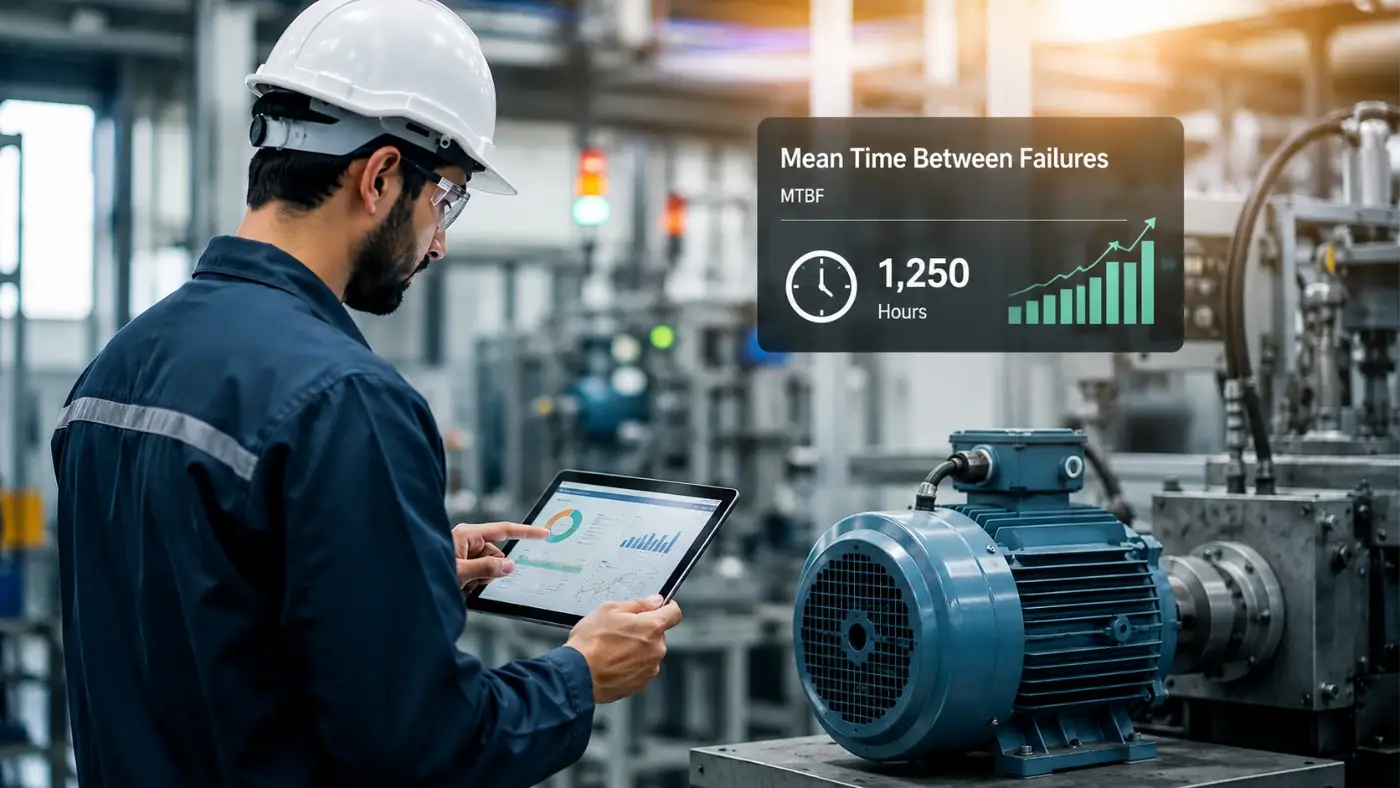
ERP solution lets you have more sophisticated and accurate MIS on plant or production casting performance levels. In the case of production planning, you can make a monthly production schedule, change process parameters such as pressure, temperature, etc. along with material requirement planning and item BOM.
Through business intelligence software you can make shift-wise production along with godown control lot and batches while making the overall production process simple and easy.
4. Dispatch and Sales:
The ERP software for cement manufacturing has inquiries and quotations with three level-order cycles including Sales Contract, Sales Order and Delivery Orders.
Lead management system looks after all the leads, conversions, sales orders and dispatching orders. Generates e-invoicing instantly while attaching the delivery orders and weighing slips in a precise way.
5. Cost-Effectiveness:
The cement ERP also offers the most flexible and effective pricing methods including quantity discounts, sales contracts, credit control, and cash discounts as well. It helps develop healthy customer relationship management and helps to enhance the overall growth of the business.
Elevate Your Cement Manufacturing Operations with Sage X3
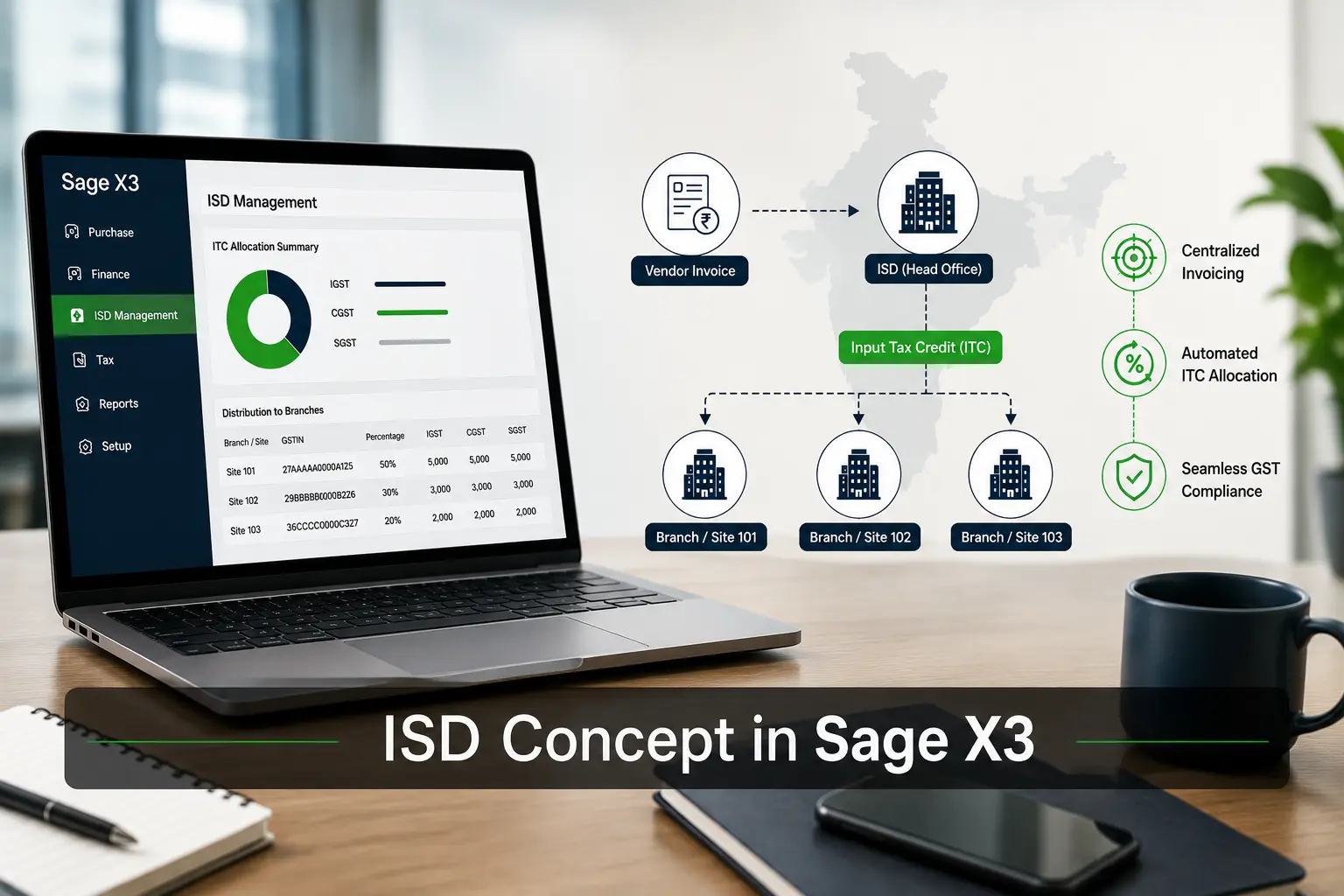
Sage X3 is the must-have solution that takes care of everything from tracking energy consumption, production planning, demand analysis, and quality control, to financial management. It frees up your employees for more productive operations and empowers decision-makers with strategic insights for informed decision-making.
If you are looking to cut costs, improve productivity, and achieve sustainable growth, look no further and deploy Sage X3. Align your current operations with changing market dynamics, and build a reputation for quality & reliability.
Frequently Asked Questions (FAQs)
1. What is ERP for cement industry?
ERP for cement industry is a specialized application that streamlines the core activities of the cement manufacturing businesses, such as production, supply chain, sales, and finance. It aids management with full analysis of costs, revenues, and business liabilities, allowing them to make better decisions.
2. Which is the most used ERP software for cement industry?
Sage X3 is the most used cement ERP system, which provides plant maintenance, inventory cost optimization, real-time vehicle tracking, and route optimization capabilities. It gives your business complete control over the fleet operations, allowing you to proactively manage equipment maintenance & repair.
3. What are the benefits of Cement ERP Software?
Enterprise Resource Planning provides end-to-end traceability throughout the cement manufacturing operations. It enables cement manufacturers to manage their inventory for better storage & cost-efficiency and manage up-to-the-minute project details for better resource allocation & cost-savings.
4. What are the top ERP solutions for the cement industry?
Here are the top cement ERP software:
- Sage X3: Excellent choice for cement manufacturers looking for inventory tracking, production scheduling, and deeper integration
- Ramco: An easy-to-use cement ERP that offers an intuitive interface and covers various business functions
- BatchMaster: Gain end-to-end traceability and compliance functions in a single, unified system
- SAP Business One: Fosters real-time data insights and operational control over your cement business