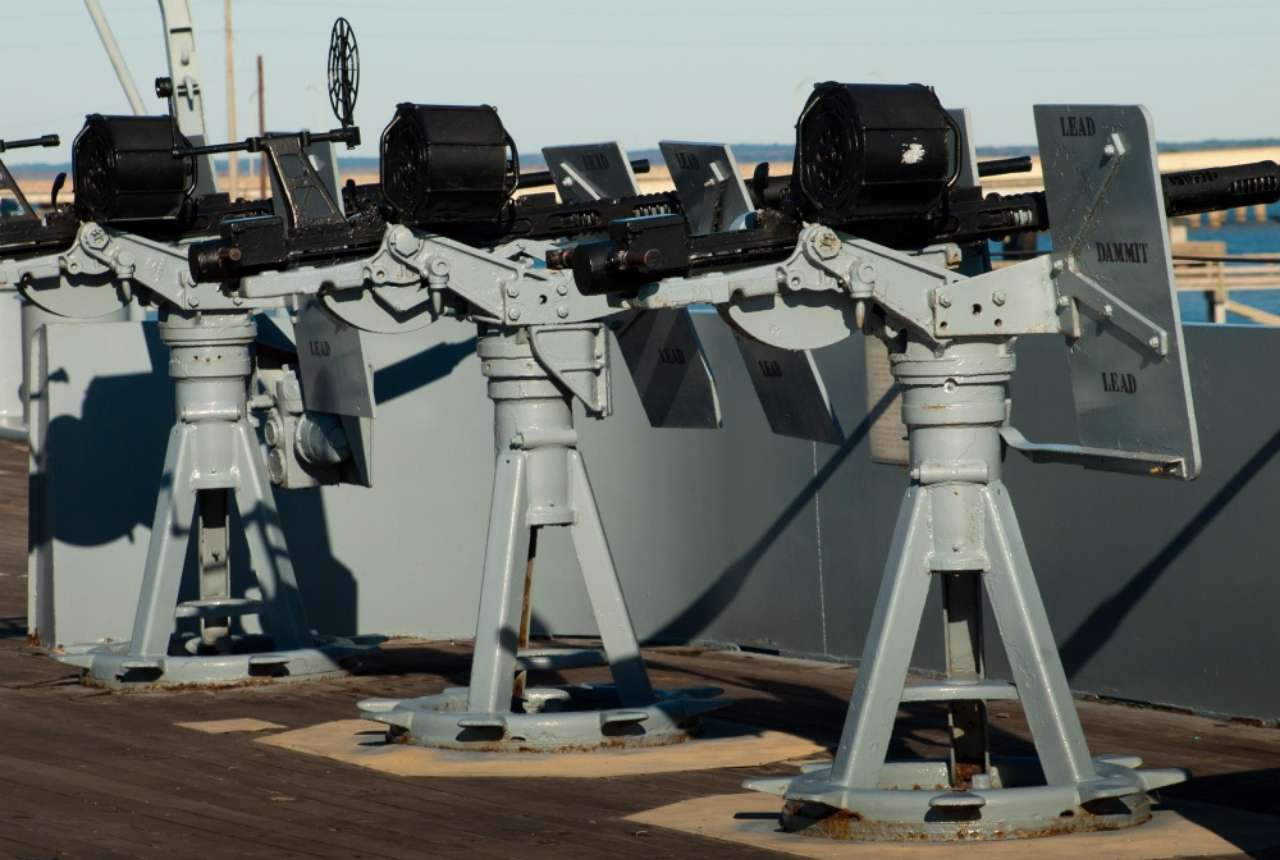
Indian defence sector stands as one of the world’s most advanced military services with vast defence personnel actively serving and in reserves. With more developments in political and social affairs, the threat from other nations is on the rise. However, the Indian defence service is well-prepared. India takes the third position for being the world’s third largest military spender and its defence budget covers 2.15% of the country’s GDP.
What is ERP for Defence Equipment Industry?
ERP for defence equipment industry is a highly specialized, purpose-built solution that provides advanced tools for non-conformance tracking, equipment costing & budgeting, asset lifecycle monitoring, multi-level compliance, and management of stringent inspection routines.
ERP software offers a robust suite of project management tools to gain real-time insights into project completion, costs, and performance. It offers built-in compliance monitoring tools to stay compliant with complex regulatory requirements, manage risks, and handle confidential data in a better manner.
Overview of the Defence Equipment Industry
The Indian defence innovation ecosystem has attracted over 676 startups and MSMEs, as of February 2026, amid rising demand for indigenisation and exports, according to a report published by the India Brand Equity Foundation (IBEF). Over the past few years, India has secured a strategic position as a defence supplier and captured new markets in Asia, the Middle East, and Africa. Another report published by the Press Information Bureau (PIB) states India’s defence production has recorded a new high of Rs. 1.54 Lakh Crore, achieving a 174% rise in one decade.
Challenges faced by the Defence equipment industry
In today’s global landscape, supply chain issue is ongoing which is impacting all the business sectors. Apart from that, there are also other challenges that are hindering the sustained production of defence equipment. Let us discuss more.
1. Lacking visibility of processes
The defence industry involves complex operations with innumerable specialized suppliers, manufacturers and regulators. With the ongoing supply chain issue, it becomes tiresome to get visibility across the system.
2. Industry-wide spare parts shortages
Due to inconsistencies and lags in the parts shortages, it becomes difficult for the timely production and delivery of the product. In particular, the aircraft deliveries are delayed often owing to persistent spare part shortages.
3. Inflation and economic uncertainties
Inflation is a big crisis the world is facing currently. As a result, the cost of the raw materials is high. When the materials are high priced and during economic uncertainties, the defence ministry is forced to cut down its budget.
4. Changing Technological Landscape
Currently, the modern warfare scenario is different. Automation and technologies such as AI(Artificial Intelligence) have become the new norm. AI has immensely helped in making faster business decisions. The risk here is that the technological landscape is constantly evolving, so innovation in this phase is difficult.
All these challenges can be addressed with the best business management software. Enterprise resource planning software can efficiently manage the defence equipment industry with its advanced functionalities for supply chain management, financial management, inventory management, quality and compliance management.
Key Features of ERP for Defence Equipment Industry
ERP software for defence equipment industry aids in streamlining all operations, manages inventory, handles quality control and regulatory compliance, and improves the productivity and efficiency of the industry. It is designed to provide a centralized platform for all business functions to seamlessly operate. ERP has on-premise and cloud-based solutions for businesses.
1. Financial Management
The defence industry deals with large contracts and complex project budgets, so financial tools are essential. ERP system offers comprehensive financial management features for accounting and budgeting support, and financial reporting capabilities.
2. Quality Management
Quality is an essential factor for defence and aerospace products. Special emphasis on quality is given to this factor due to the critical nature of the products. Quality management features in defence ERP include non-conformance tracking, statistical process control and quality audits.
3. Supply Chain Management
For aerospace and defence manufacturers, inventory and supply chain management is crucial. The expert management of both will ensure the timely delivery of defence products and services. ERP software offers advanced supply chain features including inventory control, demand forecasting, procurement and logistics management.
4. Production and Operations management
In defence companies quality and adhering to precise specifications are crucial. ERP can effectively help by providing features to manage production processes, scheduling, and capacity planning. Functionalities such as tracking work orders and progress in the manufacturing cycle are also available.
5. Compliance and security
Compliance and security are critical for the defence manufacturing industry. With ERP, numerous regulatory requirements can be abided and it helps in maintaining stringent protocols. Some of its features include audit trails, access controls, and data encryption.
6. Human Resources Management
The skilled workforce is also a significant factor for the defence industry. ERP for defence manufacturing has capabilities which aid in training, recruiting, development, performance management and payroll processing.
7. Engineer and configure to order
Tailored projects can be generated for all ‘Engineered to Order’ tasks, utilizing a comprehensive product configurator to generate a precise bill of materials from a sales order. The cost and progress of engineering projects can be meticulously tracked, and all pertinent information relevant to the project. The information includes engineering schedules, purchase orders, MRP, and labour(all these are interconnected).
8. Document Management
All documentation is seamlessly managed and recorded in the ERP securely. Documentation which includes contracts, technical drawings, designs, and proposals relevant to the customer, supplier or partner can be stored safely. Further, the integration with Outlook enables users to archive email correspondence from Outlook into the corresponding contact or project records.
9. Serial and Batch tracking abilities
A unique identification number can be allocated to all goods inward and finished goods with serial and batch tracking features. This assists in the traceability and real-time visibility of the product in the production lifecycle and supply chain system.
Final Takeaway
The Defence industry has substantially grown in recent years. Considering the ongoing supply chain issues, it is mandatory for defence companies to invest in a reliable ERP solution to achieve flexibility and efficiency.
ERP for aerospace and defence industry is a comprehensive solution to manufacture defence products which serve for a long time. It provides visibility into the supply chain operations to track inventory levels, manage orders and reduce lead times. Quality control is essential to maintain high standards and adhere to stringent regulations. Hence, with this expert solution safety and precision can also be acquired.

Frequently Asked Questions (FAQs)
1. What is ERP in defence industry?
ERP for defence industry is a strategic solution that empowers defence companies with cross-departmental collaboration, a more efficient procurement process, and enhanced cost analysis. It enables strict adherence to the military regulations, export compliance, and other regulatory requirements.
2. What are the primary benefits of deploying a defence ERP?
Here are the primary benefits of an ERP for defence equipment industry:
- Streamline various operations such as production planning & scheduling, and cross-departmental collaboration
- Prevent supply chain bottlenecks and reduce delays in the supply of defence equipment
- Maintain detailed compliance reports to reduce the risk of fines & penalties
- Track costs and improve the budgeting & forecasting accuracy
3. What are the essential modules of an ERP for defence equipment industry?
Here are the most common and essential modules of a defence ERP:
- Asset Management: Track asset lifecycle, and their repair & maintenance
- Sales Management: Optimize all aspects of the sales process to increase revenue
- Procurement Management: End-to-end management of the procurement process
- AR Automation: Manage incoming payments with the AR automation module
- Supply Chain Management: Optimize all the aspects of the supply chain for the timely delivery of defense equipment