What is ERP for Agriculture Industry?
ERP for agriculture industry is a single, integrated system that facilitates easier cost tracking, reduces waste, manages equipment repair & maintenance, and improves precision in seasonal planning activities.
ERP software provides robust control over agricultural operations, optimizes crop lifecycle planning, and supports logistics & supply chain. It offers batch traceability, improving regulatory compliance and facilitating rapid & precise recalls.
Overview of the Indian Agriculture Industry
India’s agriculture sector plays a crucial role in rural livelihood and in safeguarding national food security. According to a press release by the Government of India, India exported agricultural products worth $51.1 Billion in the financial year 2025, indicating sustained agricultural production performance. The share of processed food rose to a whopping 20.4%. In recent years, India has witnessed a progressive shift towards processed food exports and diversified agro products, generating new employment opportunities locally, particularly across Indian agriculture production and processing.
You May Also Read: ERP for Chemical Industry
Challenges Faced by the Agriculture Sector in India
-
Small and Fragmented Land Holdings
The small and fragmented land holdings diminish the economic opportunities of poor farmers. The ever-shrinking land holdings are economically unviable for agricultural produce. The issue is especially rampant in densely populated states in India.
-
Extreme Weather Conditions
Indian farmers are often at the mercy of the rain. Unanticipated rainfalls, droughts, and other extreme weather conditions affect irrigated agricultural production. They damage crops and reduce grain and forage quality.
-
Water Scarcity
India is one of the most water-stressed countries. The agriculture sector in India is often disrupted by an uncertain climate. A majority of farmers are highly dependent on Government subsidies and incentives. Extreme water scarcity poses a complex challenge not only to farmers but also to the economy.
-
Soil Degradation
Soil degradation affects crop growth and yield. It makes the land less productive for agriculture, creates new deserts, and pollutes waterways.
-
Pests, Insects, and Diseases
In India, pests and insects are also a major nuisance. Pests can pose direct injury to leaves, fruits, and plants. Some insect species are so small that they are not easily noticeable to farmers. If left untreated, they can damage crops by transmitting bacteria and fungal infections and endanger food safety. They can also damage the finished products as they are getting ready for sale.

Benefits of Agriculture ERP Software
-
Efficient Sales Management
The sales management system in ERP helps agricultural companies smartly access every detail pertaining to sales, market the agricultural produce efficiently, and minimize errors and confusion throughout the entire process.
-
Better Resource Management
ERP systems bring more efficiency to various agricultural operations such as harvesting, warehousing, and distribution. This helps ensure adequate usage of resources, which in turn improves crop quality, reduces damage, and saves costs.
-
Traceability and Food Security
Food safety is another important benefit of business management software. The system makes it easier to track the seeds and fertilizers in the crop fields and ensure they don’t get contaminated throughout the process. This ensures that the food is free from harmful chemicals and pests and brings efficiency to farm management.
-
Data-driven Solutions
Agriculture ERP software helps farmers track the temperature and humidity of storage facilities, the milk production of each cow, and the weight and size of fruits and vegetables. This data can be used to address those specific problems. For example: Provide health treatment to cows that are not producing the right amount of milk.
-
Increased Visibility
ERP software brings visibility into all parts of agricultural activities. Farmers can track problem areas (such as soil quality, crop growth, and maturity) and take appropriate measures to address them.
-
Scalability and Sustained Growth
ERP software helps with the expansion and diversification of agribusiness. It can adapt to changing business needs and handle increased workloads during seasonal spikes without compromising on reliability or performance.
-
Automation
ERP implementation enables automation in various agricultural operations such as irrigation, harvesting, spraying, field mapping, and crop planning.
-
Financial Management
The Financial Management module in ERP helps farmers track costs, analyze profitability, and automatically generate accurate financial reports.
-
Inventory Management
The inventory management system in the ERP enables multi-location inventory management. It helps keep track of vegetables, fruits, crops, and other inventories across different sites and locations. The optimum use of inventory helps mitigate excessive storage costs.
You May Also Read: The Future of ERP for Fertilizer Industry
Key Trends & Innovations in ERP for Agriculture Industry
-
Analytical Information
One of the latest trends in the agriculture industry is the use of analytical information using data-backed, customized dashboards and reports. Farmers gain valuable insights into large volumes of data that help them in the early detection of plant diseases, irrigation scheduling, optimizing resources, identifying inefficiencies, reducing waste, and saving costs.
-
Direct-to-Consumer Models
With the growth of pan-India electronic trading portals and marketplaces, Indian farmers are able to sell farm produce directly to customers. This method of marketing is far more effective as it cuts out middlemen, and farmers receive a higher margin of profit. These e-commerce marketplaces are integrated with the ERP application to manage online sales, order processing, and order fulfillment.
-
Organic Farming
Indian farmers are increasingly focusing on using natural technology to grow crops. Organic farming maintains ecological balance, prevents soil degradation, and reduces the use of harmful pesticides and fertilizers. The use of agriculture ERP systems in organic farming enables farmers to adhere to strict compliance regulations, make informed decisions regarding resource allocation and planting, track expenses, and analyze profitability.
-
Use of Smart Devices
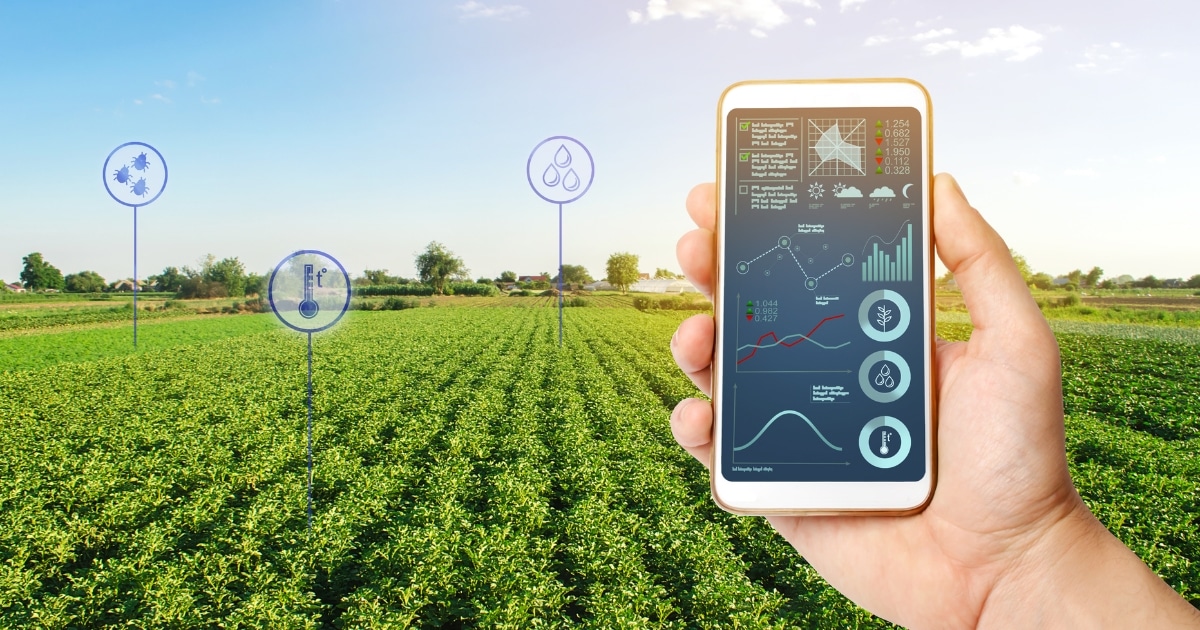
Many farmers are also using smart devices such as Internet of Things (IoT) sensors and drones to automate various farming tasks. The use of modern technology and business intelligence tools helps them eliminate labor and hardship and focus on core activities.
Gain Farm Management Efficiency with Sage X3
Agriculture ERP software helps with different agricultural operations, from extracting data from IoT devices to generating customized reports to planning yield production. Tracking animals, collating food safety data, and analyzing satellite imagery have become easier than before.
Sage X3 for the Agricultural Industry is a feature-rich solution that helps you respond to critical business needs, adopt best industry practices, and drive the digital transformation of your agribusiness. They enhance your capabilities, provide cost-effective solutions, and facilitate modern technology and experience to achieve sustainable farming.

Frequently Asked Questions (FAQs)
1. Which software is mostly used in the agriculture industry?
Sage X3 is the most commonly used software in the agriculture industry. This Agriculture ERP helps agro businesses with different aspects of their operations, such as production, administration, and supply chain. Automate workflows, get near-real-time insights, map your activity plan, and boost profits with the comprehensive set of its ERP modules.
2. What are the advantages of using ERP for Agriculture Industry?
Here are the most common advantages of Agriculture ERP Software:
- Make farm management easier and efficient
- Make quick decisions based on current market requirements
- End-to-end regulatory compliance
- Improve supply chain efficiency and optimize time-to-market
- Make smart data-driven pricing decisions
- Gain real-time stock tracking and reduce the risk of stock obsolescence
3. What are the key features of Agri ERP Systems?
The most common features of an agriculture ERP system are as follows:
- Multi-warehouse Management: Track and manage agro products across warehouses for smoother operations
- Inventory & Cost Management: Optimize agriculture stock, track product movement, reduce costs & transit delays
- Quality Control: Robust quality control measures across all levels, from seeding to packaging, for excellent farm management
- Data Tracking: Optimize farm management with real-time data and strong integration with Internet of Things (IoT) sensors
- Risk Management: Stay competitive in a volatile market with advanced risk management, real-time price tracking, and contract management
4. What are the top agriculture ERP software solutions in India?
Here are the top ERP software for agriculture industry:
- Sage X3: An all-in-one and flexible ERP for mid-sized & large agricultural businesses looking for advanced traceability, livestock management, multi-warehouse management, batch tracking, supply chain management, and food safety & regulatory compliance
- SAP: Gain advanced stock management, cold chain management functionality, and other industry-specific features
- Farm ERP: Improve value chain, farm operations mapping, and full farm operations mapping
- ERPNext: Track crop cycles from planting to harvesting, manage resources, and reduce spoilage during transportation
- Fox ERP: Track crop life cycle, manage agriculture inventory, and gain robust analytical capabilities